The Ministry of Agriculture, Food, Fisheries and Water Resource Management is working to conserve the island’s local plant species.
Addressing the scores of persons who attended the Ministry’s field day on local medicinal plants on Wednesday, Chief Agricultural Officer, Lennox Chandler, said this move was important, as the country was in danger of losing them.
“Barbados is only 160,000 acres of land …and one of the things we have is a lot of pressure for commercial purposes and other reasons. What is going to happen is that our local plant species are going to disappear. Even now, we can’t find some of them which were popular years ago,” he stated, adding that climate change was another contributing factor.
Mr. Chandler further explained that the Ministry was conducting research and would be seeking to “grow them in a controlled environment, where people can still access them”.
The Chief Agricultural Officer also believed these efforts could help in the development of the agro-business industry, as the medicinal plants could be used to create commercial products.
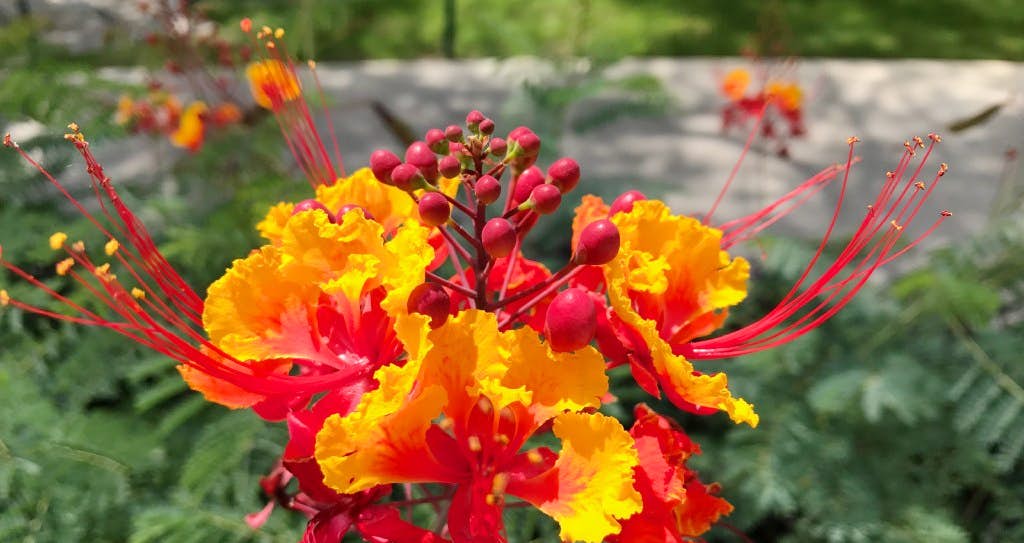
The field day was held at the Caribbean Agricultural Research and Development Institute’s (CARDI) Facility, Central Agronomic Research Station, located on the Ministry’s Graeme Hall, Christ Church compound. Attendees were treated to presentations on 10 local medicinal plants: Cerasee, Gullyroot, Christmas Bush, Cure for All, Mosquito Bush, Wonder of the World, Aloe, Vervain, Seed Under the Leaf and Periwinkle.
CARICOM SG lauds Dominican heading PAHO for second term.
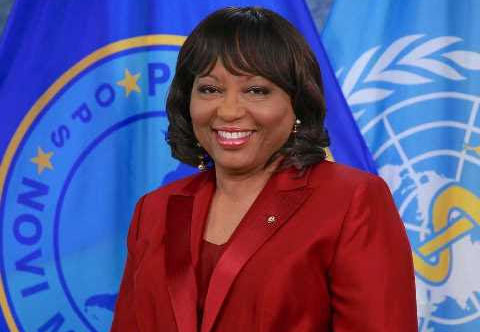
Dominican Dr Carissa Etienne was sworn in for a second term as Director of the Pan American Health Organisation (PAHO)on Thursday and was commended for the achievement by CARICOM Secretary-General Ambassador Irwin LaRocque.
Delivering an address at the inauguration ceremony at PAHO Headquarters in Washington D.C the CARICOM Secretary-General credited Dr. Etienne’s re-election to her achievements over her first five years in office.
“Reward for good work is more hard work,” he stated lauding her leadership of administrative and management changes to improve the efficiency of PAHO. He commended its successful response to public health emergencies such as Zika, Chikungunya, and cholera in the Americas which saw a dramatic decline in the number of reported cases of those diseases.
While also applauding her leadership of PAHO during its prompt response of relief and recovery following hurricanes Harvey, Irma and Maria, he expressed “heartfelt appreciation” for the continued assistance it continues to render to the Region.
The role of health organisations such as PAHO is critical in disaster management and recovery, he stated, noting the serious threat to the well-being of people in the immediate aftermath of natural disasters such as hurricanes.
“The psychological trauma which afflicted those devastated by the loss of loved ones, as well as their property and belongings also had to be addressed. Again this Organisation, under your leadership, was instrumental in providing assistance in that regard,” the CARICOM Secretary-General said.
He also praised Dr. Etienne and her team for their support of the goal to eliminate Mother to Child Transmission of HIV and Syphilis, which since 2015, seven Caribbean countries, led by Cuba, the first in the world, have achieved.
The Secretary-General recalled Dr. Etienne’s praise last December that the Region had made a “remarkable achievement” and had placed the Americas at the forefront of the global effort to ensure no child is born with HIV or congenital syphilis. He also applauded the Pan Caribbean Partnership Against HIV and AIDS (PANCAP) for leading the Region in combating the disease.
Dr. Etienne’s achievements during her first term in office, Mr LaRocque stated, have “surely served to further burnish” her sterling reputation which was evident in the quality of leadership she displayed while serving in Dominica.
“Your dynamic leadership transformed the primary health care system in Dominica, bringing health care to the communities,” he said, adding that it was a focus she maintained at the international level when as Assistant Director General of the World Health Organisation (WHO), she led the global renewal of the primary health care (PHC) approach.
“You also led WHO’s work on universal coverage. This was highlighted by the development of an action agenda for countries at all stages of development to achieve universal coverage and improve health outcomes. That agenda also proposed ways that the international community could better support efforts in low income countries,” the CARICOM Secretary-General said.
He noted that PAHO’s programmes to eradicate tuberculosis, malaria and other related diseases have been making significant headway, but cautioned that those could easily be frustrated, highlighting the recent outbreak of diphtheria.
“The outbreak of an old disease, diphtheria, is a reminder that if we fail to maintain high levels of vaccine coverage these diseases can re-emerge,” Secretary-General LaRocque said.
Describing PAHO as a valued partner to CARICOM, he said it continues to play a significant role in the Caribbean Cooperation in Health, the mechanism through which Member States collectively focus action and resources to achieve agreed goals in health. Additionally, he said PAHO’s co-operation with Caribbean Public Health Agency (CARPHA) has been invaluable to the Region.
Dr. Etienne was first elected Director of PAHO by the countries of the Americas in September 2012 during the 28th Pan American Sanitary Conference. She was re-elected for a second term in September 2017, and began serving that term on February 1 2018.
In her native Dominica, Dr. Etienne began her career as a medical officer at the Princess Margaret Hospital, where she eventually became the Chief Medical Officer. She has also served in other high-level posts in Dominica, including Coordinator of the National AIDS Program, Disaster Coordinator for the Ministry of Health, Chair of the National Advisory Council for HIV/AIDS, and Director of Primary Health Care Services.
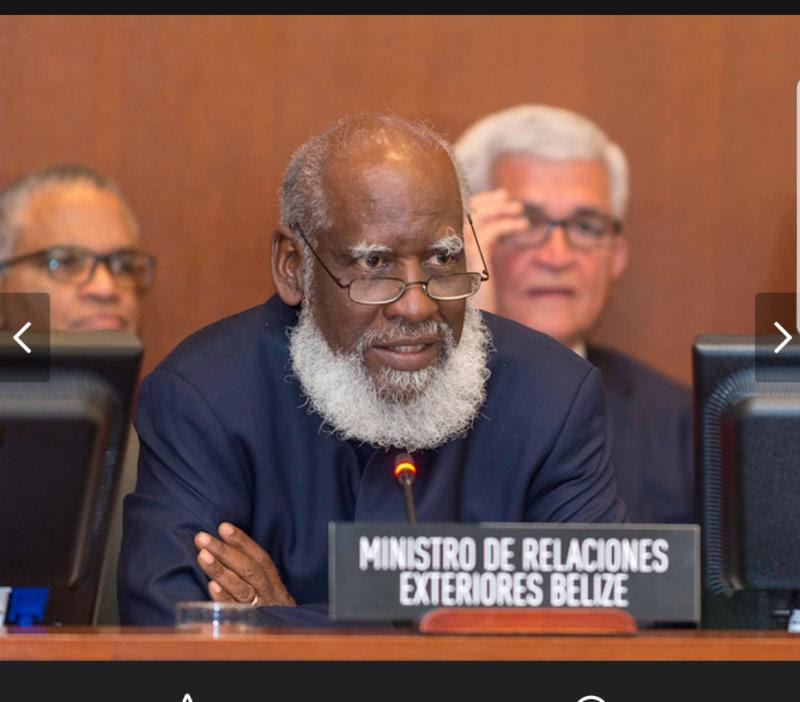
A delegation from Belize headed by Foreign Minister Wilfred Elrington met with their counterparts from Guatemala headed by Guatemala’s Foreign Minister Sandra Jovel in Washington DC on Wednesday January 31st. Both Ministers as well as Secretary General of the OAS, Luis Almagro were present at the Permanent Council of the OAS, which discussed the progress of the Belize Guatemala differendum process.
During the meeting, representatives from the United States, Canada, Mexico, the Caribbean Community Caricom, El Salvador, Costa Rica, Honduras, Colombia, Brazil, Uruguay, Peru, Bolivia, and Ecuador, emphasized their support for the peaceful resolution of the Belize Guatemala differendum, which they agreed can be solved through the legal platform at the International Court of Justice.
Through the OAS, the international community and observers from the European Union, Japan, The United Kingdom and others expressed their support of Belize and Guatemala taking the case to the International Court of justice. A meeting was also held with the Group of Friends who provide financial support to the Office of the OAS in the Adjacency Zone.
While in Washington the Belize delegation had a very positive meeting with high ranking officials at the United States Department of State to discuss the Belize Guatemala boarder situation and the need for stability in the region.
Belize’s delegation was headed by Foreign Minister the Honorable Wilfred Elrington and included Chief Executive Officer in the Ministry of Foreign Affairs His Excellency Patrick Andrews, Senator Eamon Courtney from the Opposition People’s United Party, Belize’s Senior Ambassador to Guatemala His Excellency Alexis Rosado, and Director of International Affairs Ms. Ayesha Borland. The delegation also included members of the Washington DC based Embassy of Belize including Ambassador to the United States and Permanent Representative to the Organization of American States His Excellency F. Daniel Gutierez and Minister Counsellor Emil Waight.
Marlene Phillips - Research and Documentation Specialist at the Department of Culture
Digital Cultural Archive of St. Kitts-Nevis is growing.
The Department of Culture is growing its digital archive of materials related to the literary, performing, culinary and visual arts, so as to preserve the unique works and make them readily accessible to present and future generations.
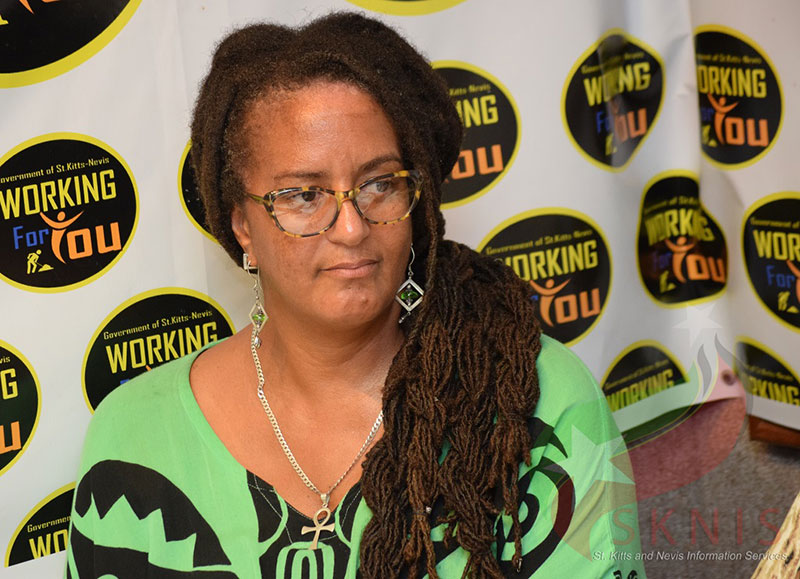
Marlene Phillips, Research and Documentation Specialist at the Department of Culture, indicated that staff has been busy reviewing video and audio files, publications, acts and conventions, and other memorabilia. They are being catalogued and posted on the department’s website www.culture.gov.kn.
“If you look at the research tab (on the website) and you go into that tab, you’ll see an area for policy, publications, Under Banyan Tree audio, and documents,” Ms. Phillips said on Wednesday’s (January 31) edition of the radio and television programme Working for You. “I don’t think that people realize that these different documents and policies and things like that are online.”
Information is also available at the St. Kitts Department of Culture’s Facebook Page @stkittsculturebeat.
Jacquan Harvey works alongside Ms. Phillips in the Research and Documentation Unit. As a recent graduate of the C. F. Bryant College, Ms. Harvey bemoaned the fact that much of the material on culture that is taught in local schools is from other countries and not much is featured on St. Kitts and Nevis.
This makes the work of the unit stand out as the information is now preserved and is available for research, consultation, and public record keeping.
“We are trying to make it easy for people in a digital age to access this information,” Ms. Phillips stated, adding that smartphones and tablets are a popular way for persons to surf the web to retrieve information. “We are trying to keep up with the times. We are always going to have people who like to touch the paper, so come into the office and talk to someone, but for the young generation, they are into digital information so we have scanned a lot of our documents and we make them accessible online.”
Ministry of Health designates February -2018 as cancer awareness and prevention month.
The Ministry of Health, for the first time is designating an entire month to raise awareness, educate and provide specialized screening and support services to Grenadian citizens as part of its ongoing efforts to curb spread of cancer. Below is an official statement from the Ministry of Health…
Every year on February 4, people throughout the World takes a brief moment to reflect on the burden of the dreadful disease CANCER, which by all means still remains a matter of international concern and for which there is still no cure.
The Ministry of Health and Social Security given its mandate has designated the entire 28 days of February to raising the awareness of cancers and its extremely burdensome negative effects on our country and economy.
Starting February 1 to 28 under the umbrella banner of “STOP CANCER! YOU, ME, TOGETHER WE CAN” we pledge to address the cancer in our society together with stakeholders. We are aware of the challenges of cancer and the burden it has on the lives of Grenadians and their families. In 2016 we lost a total of 200 people as a result of cancer, which still continues to be the primary cause of death.
Cancer of the breast, cervix and prostate are the main cancers affecting our population. Worldwide, 250,000 women die each year from cancer of the cervix which is a preventable disease. The studies indicate that avoiding tobacco and alcohol, maintaining a healthy diet and maintaining an ideal weight and regular exercise are among the measures that prevent the development of cancer in our bodies. Early diagnosis of cancer makes way for initiating treatment and ensuring long survivorship.
The responsibility of the Ministry is to provide all the services required for the wellness and longevity of the people. We are working with all our stakeholders to promote improved nutrition with greater focus on lowering the consumption of sugary and high fat as well as salty foods; active lifestyles for all ages and ensuring the ongoing screening at our health facilities. Early diagnosis is key and intimately linked to survivorship.
Therefore, we at the Ministry continues to encourage all our WOMEN and MEN to make regular screening a common practice. Get screened/tested for changes that may lead to cancer by having the regular Pap smears, Prostate Specific Antigen (PSA’s) Digital Rectal Examinations (DRE) and Self-breast Examination (SBE).
At the start of the year the Ministry of Health officially introduced the use of Visual Inspection with Acetic Acid (VIA) as a method of cervix cancer screening.
Today we can boast, that trained medical and nursing staff at our primary health care facilities is utilizing this simple and affordable technique to care for our Grenadian women. This we hope will lower the 2016 statistics of (4) cervical cancer related deaths.
Moreover, whereas Grenada recorded 106 deaths due to breast cancer over the last 10 years, one cancer related death is just too many to accept. That is why we have provided our women with more opportunities to have their breast examined by the trained health care staff. More importantly, we have collaborated to empower our women to do their own Self-breast Examination (SBE) taught by trained community nurses and volunteers. This service allows women the freedom to do their exams with frequency in the privacy of their homes.
As a matter of urgency and priority we are prepared to meet our MEN in the quest to control the number of deaths caused by prostate cancer and stress the need for our men, many of whom are breadwinners and head of households, to be screened.
Our local data on cancer of the prostate puts the number of related deaths at 254 for the period (2010-2016), a very scary, but realistic picture of the problem at hand; and the reason we are at a point when and where men’s health by every means must matter and must be given special attention.
As recent as September 2017, Pan American Health Organization published in its journal that prostate cancer is the most common cancer in males, with approximately 413,000 new cases and 85,000 deaths in the Americas each year. The Caribbean countries, notably Barbados, Trinidad and Tobago, and Jamaica have the highest prostate cancer rates in the region.
Screening men for prostate cancer, with the PSA test, can reduce mortality by an estimated 20%-30%. However, PSA testing can lead to over-diagnosis in 20%-40% of cases.
Therefore, there is a need for shared decision making in balancing harms against benefits when it comes to prostate cancer screening with PSA testing; (and Digital Rectal Examinations – DRE).
Nonetheless, although not common, men should take seriously the fact that they too can have breast cancer and so immediate and necessary lifestyle changes are encouraged.
For us at the Ministry of Health, tackling and engaging the public as early as February offers an opportunity to reinforce that prostate cancer screening, like other similar cancer screening efforts, requires education and counseling, so patients are well-informed about the harms and benefits and take decisions about their own health.
It also requires access to services and application of evidence based guidelines that healthcare workers are trained in using; along with referral mechanisms and access to prompt diagnosis and treatment, with counseling on the side effects associated with treatment.
It is because of the aforementioned reasons, that we are encouraging all Grenadians regardless of your belief, religious, cultural political or economic circumstances to learn how to prevent cancer, to understand the importance of early diagnosis and what best practices and support services are available.
It is our hope and collective responsibility to strive toward a long and healthy life by eliminating those diseases like cancer that are preventable, so costly to treat and often cause premature death.
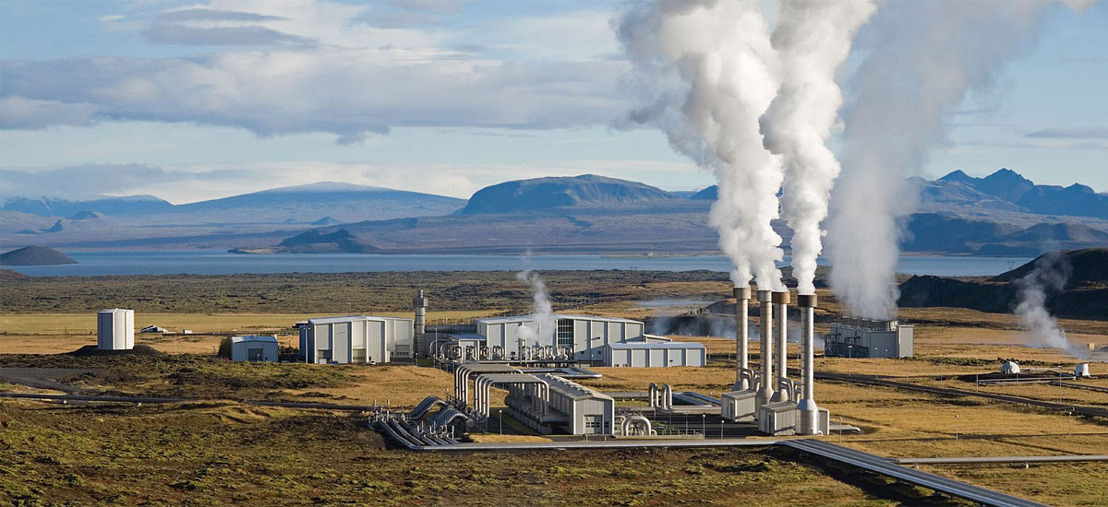
Full steam ahead: geothermal energy can fuel the future of the Eastern Caribbean.
The London School of Economics and Political Science teams with Judith Ephraim and the staff from the Sustainable Energy Unit of the OECS Commission for an analysis on the future of geothermal energy in the Caribbean.
Though geothermal energy is a more involved and expensive undertaking than other renewables, its significant benefits make it an ideal way for the Eastern Caribbean to gain greater energy independence, reduce energy costs, and achieve sustainable development.
The islands of the Eastern Caribbean are renowned for their natural beauty and rich culture. But the volcanic origin of these islands has not only created breathtaking scenery, it could soon provide the solution to the region’s quest for clean, renewable, and affordable energy.
Like most small island developing states (SIDS), the countries of the Organisation of Eastern Caribbean States (OECS) spend a large part of their earnings on imported fossil fuels to meet their energy needs, yet they also boast high levels of solar radiation, good wind regimes, and impressive geothermal potential.
Across the world, the cost of energy has a major influence on quality of life. Energy represents a significant cost to households, businesses, and states. Reductions in the cost of technologies such as solar have led to promising growth in the renewable energy sector, but to make this sector a significant contributor to electricity generation in the OECS, efforts must include geothermal energy development.
The benefits of geothermal energy in the Caribbean and beyond
The International Renewable Energy Agency reports that geothermal deployment worldwide reached a total installed capacity of 12.7 gigawatts in 2016, a level well below its potential. There is, however, increasing recognition of its many advantages over other technologies, which may explain why global geothermal output has risen by 26% in just over five years.
First, it has high availability and can be delivered 24 hours a day, 365 days a year. Geothermal energy plants can also operate continuously at up to 98% capacity because they have a constant source of “fuel” and require little downtime for maintenance. With climate change gradually increasing the severity of extreme weather events, a further advantage of geothermal installations is their greater resilience in the face of hurricane damage, as compared to solar, wind, and wave technologies.
Though there is currently just one operational geothermal plant in the Caribbean, on the French island of Guadeloupe, geothermal studies have been carried out since the 1950s, generating a wealth of knowledge that can inform new projects. With recognition of the unique benefits of geothermal spreading, seven of the OECS’ ten members are now pursuing geothermal energy projects.
The growing presence of geothermal in the Eastern Caribbean
Montserrat, with the smallest population in the OECS, is already well advanced, with two rounds of exploratory drilling having confirmed a productive geothermal resource, and a third exploratory well on the way. Discussions regarding the design, procurement, and construction of a 2.5-3.5 megawatt (MW) plant are in progress.
Due to rising fuel prices and the cost of shipping to the island, Montserrat has some of the highest electricity costs in the world. A successful geothermal energy project would reduce the cost of electricity generation, in turn lowering costs for investors and ultimately transforming Montserrat’s wider economy.
In Dominica, meanwhile, geothermal work has been underway for some time, but the devastating effects of Hurricane Maria have only reinforced the need for the country to invest in indigenous renewable energy sources.
Surface studies on Saint Kitts, carried out by a geothermal company from nearby Guadeloupe, are still ongoing, but preliminary results indicate the potential for a geothermal plant of 18-36 MW. On sister island Nevis additional testing is required, but a plant of 9 MW is being considered.
Saint Lucia has completed both a feasibility study and also an environmental and social impact assessment in preparation for exploratory drilling.
Saint Vincent and the Grenadines has completed a Power Purchase Agreement with a private generating company for the sale of future geothermal energy, and a drilling contractor has already been procured.
Grenada is setting up a project management unit to oversee their geothermal work with drilling expected to commence soon.
Understanding and overcoming the barriers to geothermal development
The OECS Commission’s recent stakeholder analysis sought to identify the main challenges to geothermal energy development in the region. Feedback from governments, utility companies, and private-sector experts showed a clear consensus amongst all participants that finance and government policy are the main challenges to geothermal energy development in the region, whereas technological issues and competition from other energy sources play a lesser role.
Although geothermal projects are relatively capital intensive, a geothermal power plant has low and predictable operating costs. However, financing for geothermal energy remains a challenge for the region given the high cost of the exploratory studies required to confirm the resource.
Few OECS countries are currently in a financial position to pursue geothermal on their own, and neither are they necessarily prepared to take loans from multilateral development banks for that purpose. This means that private sector developers are likely to play a significant role in geothermal energy development in the region.
Aside from this important role of the private sector in capitalising geothermal projects, Eastern Caribbean states are seeking innovative financing options that will not negatively impact the electricity tariffs expected from geothermal generation.
A critical issue in future will be successful negotiation of supply agreements with regard to concessions, timeframes, prices, and other regulations. These must ensure fair terms and conditions for all stakeholders. In this regard, national governments have a leading role to play in safeguarding the interests of the countries.
Since geothermal energy development constitutes a novel undertaking for most of the Eastern Caribbean, capacity building will also be key. Geothermal energy development will require input from several professional fields, but will also require specialised knowledge and skills.
Once geothermal plants are built, close management will be needed as they require careful optimisation over time. As such, a holistic approach is key to achieving best practices in terms of field appraisal, project development, drilling, and operation, thereby ensuring that geothermal projects achieve their anticipated economic performance.
Though geothermal energy is a much more involved and expensive undertaking than solar or wind, the benefits may well be worth the effort. It is geothermal energy that holds real promise for the Eastern Caribbean as we seek to gain greater energy independence, reduce energy costs, and drive towards sustainable development in the region.
Notes:
• The views expressed here are of the authors and do not reflect the position of the Centre or of the LSE
• This article draws on the recent OECS report The Role of Geothermal in the Caribbean Region (2017) Link to Original Article on the London School of Economics and Political Science website can be viewed here
It has been reported to the St. Lucia Electricity Services Limited (LUCELEC) that individuals are presenting themselves to business establishments and/or people’s homes as LUCELEC employees and requesting permission to access their premises to conduct meter inspections or any work on behalf of LUCELEC (including surveys).
LUCELEC would like to advise all customers of the following:
Instances where LUCELEC employees and contractors would need to get into a building to carry out any work are rare. Most of LUCELEC’s work stops at the electricity meter.
Anyone presenting himself or herself to your place of business or home as a LUCELEC employee should always be asked to show the appropriate LUCELEC picture identification.
If someone purporting to represent LUCELEC or any of its contractors is requesting to get inside your office or home, call our Customer Service Department at 457-4400 to confirm if a crew was dispatched to your premises.
As a general rule, exercise due caution before letting anyone into your premises, even when individuals present themselves as representatives of LUCELEC or any other service provider. Confirm whether a service request was made by anyone at your location. Check Identification Cards thoroughly. Ask the individual to wait while you verify with the office they’re purporting to represent. Call and double check whether a work crew is supposed to be at your address.
LUCELEC seeks the cooperation of all its customers in ensuring that anyone seeking access to their premises on LUCELEC’s behalf is properly vetted.
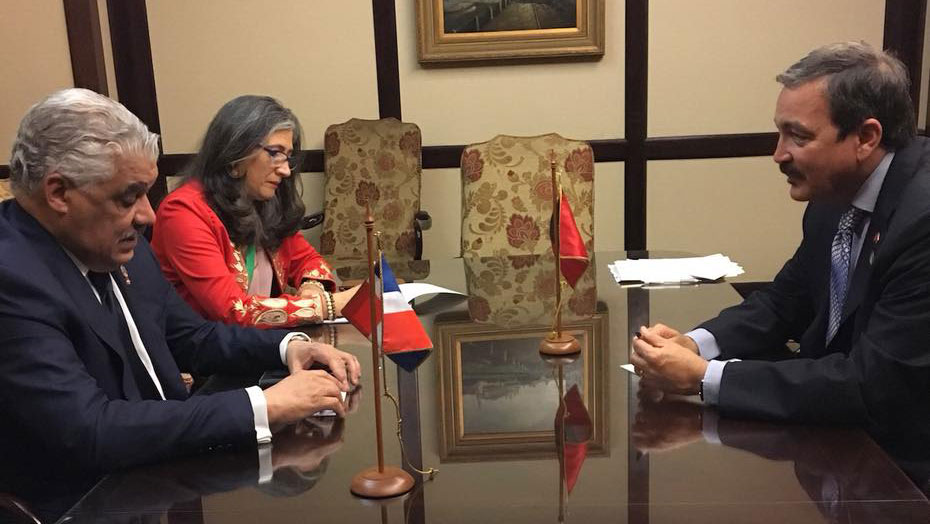
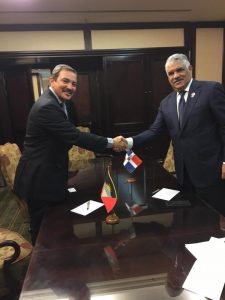
The Government of the Dominican Republic has announced that it will be opening an embassy in Antigua and Barbuda in 2018.
This was revealed during bilateral discussions held between the Honourable H. Charles Fernandez and his colleague the Honourable Miguel Vargas, Minister of Foreign Affairs of the Dominican Republic, within the margins of the 2nd Meeting of Ministers Foreign Affairs of the CELAC-China Forum in Chile.
According to Minister Fernandez, the discussions held with Minister Vargas were extremely productive, as his government seeks to build stronger alliances with our Spanish speaking Caribbean neighbours.
The Government of Antigua and Barbuda in 2017 announced its acceptance of the Dominican Republic’s desire to open an embassy which would serve to facilitate increased cooperation between the two countries. Additionally, the embassy would seek to better serve the needs of citizens of the Dominican Republic living in Antigua and Barbuda.
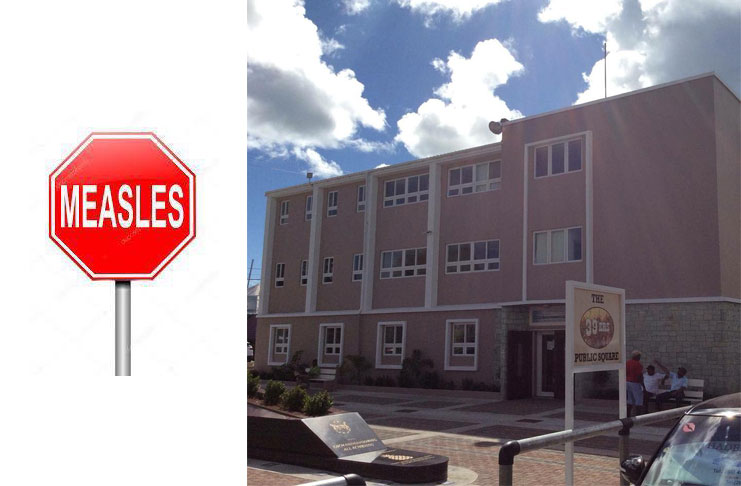
The Ministry of Health & the Environment would like to advise the general public that it is currently investigating a suspected case of measles that was imported into Antigua & Barbuda.
Measles is a highly contagious disease which is characterized by high fever, cough, runny nose and a fine, red skin rash which starts on the face and spreads to the body. If you or anyone in your family experiences fever with a rash, please go to your doctor or nearest health centre immediately. Measles is caused by a virus and is spread through coughing and sneezing. There is no specific antiviral treatment. However, the safe and effective measles vaccine that is administered as part of our country’s vaccination programme provides lifelong protection against the disease.
The Ministry is therefore urging parents and guardians to ensure that they and their children are adequately immunized against measles, mumps and rubella with the MMR vaccine. Persons who have not been vaccinated or parents who are not sure of their child’s vaccination status should be taken to your family doctor or the nearest health centre immediately for further advice and to get the vaccine.
In 2016, the Region of the Americas including Antigua and Barbuda was certified as being free of measles. Although we are awaiting laboratory confirmation of the disease, we must remain vigilant to ensure that there is no in-country transmission. Let us work together to ensure that Antigua and Barbuda retains its measles free status.
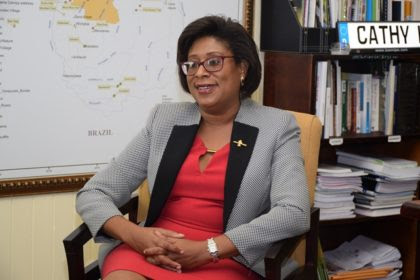
Guyana’s journey to becoming a technologically advanced nation will be mainstreamed this year, Minister of Public Telecommunications Catherine Hughes stated.
In an exclusive sit down with the Department of Public Information (DPI), Minister Hughes explained that since the Ministry’s establishment in 2016, it has been preparing the technological environment, assessing the landscape and engaging with people and ascertaining what the needs of the citizens were. To this extent, Minister Hughes said though much developmental work has been conducted throughout the country, 2018 is the year “we can actually start to run the 100-meter dash”.
Among projects slated for this year, the Telecommunications Minister pointed out that they while her office is working closely with the Ministry of Education to have free internet implemented in primary schools, there are serious considerations as it relates to the younger children and access to the internet. Minister Hughes reiterated that safety measures, in terms of cyber-security need to be implemented before these primary institutions are connected.
According to Minister Hughes, follow-ups will be conducted to ensure that the equipment which was installed in schools and various community centres are in working condition and being maintained.
A Business Unit has been developed under the ICT hubs projects, that allows persons identified for training – the ICT person that is creating apps – to be connected in such a manner that they can access and receive funding to develop their businesses and offer their services to the public. “We are not just saying to the young people moving ahead with this programme that we are going to give you the skills and leave you there. We are giving you guidance on the avenues you can get into from a business level,” Minister Hughes explained.
There will also be a National Broadband Programme, which will see much work being conducted in the field of public security. Minister Hughes said they are currently awaiting approval of a loan from the China Exim Bank for this project. Some $2.3B of 2018’s National Budget was allocated for this venture.
Minister Hughes highlighted that the public security project contains a “safe city component which provides more cameras to the city. It provides also technology that will have a direct positive impact on the way the police force operates”. It was explained that venture will seek to have internet connectivity in police vehicles which will increase response time, and enable police officers to be more efficient in their overall duties. “By the end of 2019, the whole security landscape will change for the better because we are using technology, even more, to close in the crime gap,” Minister Hughes noted.
Approximately $4.696B has been approved for the development of Guyana’s telecommunication sector this year.



 This was revealed during bilateral discussions held between the Honourable H. Charles Fernandez and his colleague the Honourable Miguel Vargas, Minister of Foreign Affairs of the Dominican Republic, within the margins of the 2nd Meeting of Ministers Foreign Af