
Home Blog Page 149

Safety and Security Standards at 39th ICAO Assembly

Lorna Hunkins

Special advisor in Ministry of Foreign Affairs underscores importance of safety and security standards at 39th ICAO Assembly.

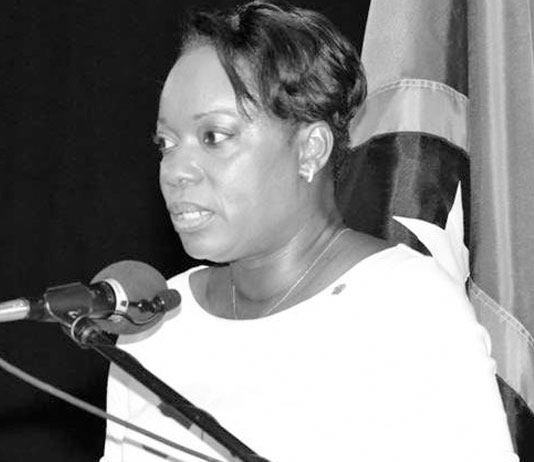
Special Advisor in the Ministry of Foreign Affairs in St. Kitts and Nevis, Lorna Hunkins, has underscored the importance of safety and security standards in civil aviation at the 39th Triennial Assembly of the ICAO (International Civil Aviation Organization), which is being held in Montreal, Quebec, Canada, from 27thSeptember to 7th October, 2016.

Speaking to the Assembly on October 4, Ms. Hunkins said that “St. Kitts and Nevis is a proud member of ICAO. It values the work of the organization. As a State Party to the Convention on International Civil Aviation, we continue to implement and uphold the recommended standards, and principles and procedures, and support the proposals for increased membership on the Council and the Air Navigation Commission,” she told the Assembly, the United Nations Specialized Agency. “Major issues of concern such as safety, navigation services, security, environmental health protection and economic issues are all closely related.”

The Foreign Affairs Special Advisor said that the Government of St. Kitts and Nevis, and in particular Prime Minister Dr. the Honourable Timothy Harris, and Minister of Foreign Affairs, the Honourable Mark Brantley, “would like to laud the ICAO for its strategic objectives: safety, capacity and efficiency, security and facilitation, economic development and environmental protection as they aim to create a serious sky and to promote collaboration between all stakeholders within the Civil Air Navigation Security.”

“The issues highlight the diverse challenges that are faced by the Civil Aviation sector all around the world and underline the importance of close cooperation among countries. As regulations and standards of Civil Aviation are ever developing, all parties must have access to the latest information to ensure the safe, secure and sustainable code of the Civil Aviation Industry,” she said.

Ms. Hunkins said that the Government and people of St. Kitts and Nevis express solidarity with countries that have suffered terrorists attacks at their ports and emphasized that “achievement of optimum security requires all to be vigilant” and that “failure by any one state to secure its borders or ports can wreak havoc not only nationally, but regionally, and internationally as well.”

She thanked the ICAO for the training that it offers but called on the UN Agency to offer more training especially within CARICOM (Caribbean Community) or the OECS (Organization of Eastern Caribbean States).

Ms. Hunkins also commended the Republic of Korea “for its ongoing efforts to enhance the safety level of all Member States, and for developing and distributing systems” that ensure high standards in Civil Aviation. She also commended Malaysia for offering training to Member States “which is critical for our industry.”

“Currently, our Ministry of Aviation is attempting to formulate a policy to govern the use of unmanned aircraft system and we request any assistance that ICAO or other Member States or organizations can offer in this regard. We would also welcome a regional approach if this is more profound,” said Ms. Hunkins. “The Government of St. Kitts and Nevis also pledges its support for the establishment of a global aviation security plan, which will address the needs of states and regions to assist in guiding all states aviation enhancement efforts and those of other stakeholders to assist in reaching internationally set goals and targets.”

In her closing remarks, Ms. Hunkins applauded the ICAO for “its no country left behind” initiative, but called on the agency to be more inclusive.

“It is imperative that all states involved in Aviation are a part of these efforts,” she said. “We hope to see the ICAO work towards inclusiveness of all stakeholders to achieve safe and orderly development of International Civil Aviation.”

She called on the UN Agency to be inclusive of countries such as the Republic of China (Taiwan).

“We regret the absence of some States, especially the country that controls the busiest East Asian Air Space from this Assembly. We deem it a major loss for the international community,” Ms. Hunkins said.

St. Kitts and Nevis will welcome regional and international counterparts later this year for the ICAO Technical Meeting, Ms. Hunkins said.

The International Civil Aviation Organization (ICAO) is a UN specialized agency, established by States in 1944 to manage the administration and governance of the Convention on International Civil Aviation (Chicago Convention).

ICAO works with the Convention’s 191 Member States and industry groups to reach consensus on international civil aviation Standards and Recommended Practices (SARPs) and policies in support of a safe, efficient, secure, economically sustainable and environmentally responsible civil aviation sector. These SARPs and policies are used by ICAO Member States to ensure that their local civil aviation operations and regulations conform to global norms, which in turn permits more than 100,000 daily flights in aviation’s global network to operate safely and reliably in every region of the world.

In addition to its core work resolving consensus-driven international SARPs and policies among its Member States and industry, and among many other priorities and programmes, ICAO also coordinates assistance and capacity building for States in support of numerous aviation development objectives; produces global plans to coordinate multilateral strategic progress for safety and air navigation; monitors and reports on numerous air transport sector performance metrics; and audits States’ civil aviation oversight capabilities in the areas of safety and security.

Growing economic prosperity fuels growth

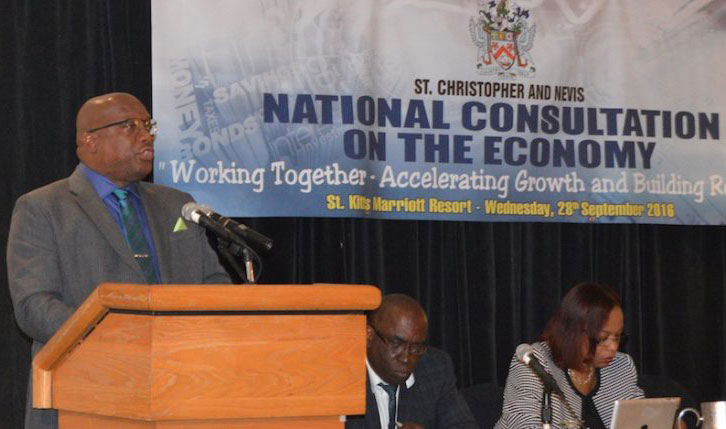
PM Harris National Consultation on the Economy

Growing economic prosperity in St. Kitts and Nevis fuels wholesale and retail sector growth and construction projects.

Growing economic prosperity in St. Kitts and Nevis – as seen through job gains, rising incomes and a solid rebound in consumer spending – is driving sales in the wholesale and retail sector, which grew by 9.13 percent in 2015 compared to 0.35 percent in 2014 and 5.91 percent in 2013.

The Financial Secretary in the Government of St. Kitts and Nevis, Mrs. Hilary Hazel, presented these figures last week at the 2016 National Consultation on the Economy.

Mrs. Hazel’s presentation showed that, just four years prior in 2012, the wholesale and retail sector had shrunk by a whopping 10.85 percent.

Case in point: Mr. W. Anthony Kelsick, Chairman and Managing Director of S.L. Horsford & Company Limited, wrote in his Chairman’s Report for 2012 that, “The results for 2012 have been very disappointing as the economies of St. Kitts and Nevis continued their decline, which has resulted in the Group recording a significant further decline in their profitability.”  The Group had negative retained profits in 2012.

Mr. W. Anthony Kelsick continued: “The economy, already in decline for the past 5 years, continued its decline even further in 2012.  The result of this, along with the effects of VAT and increased electricity costs, caused further contraction on the ability of the residents of St. Kitts and Nevis to spend.”

This stands in stark contrast to 2015 when S.L. Horsford & Co. Ltd. saw the highest sales reported in the history of the company as of September 30th, 2015.  S.L. Horsford and Co. Ltd. and its subsidiary companies (“the Group”) also performed better in 2015 than they did between 2011 and 2014, as reflected in income before tax, profits retained, shareholders’ equity, dividends paid, and total assets.

Furthermore, the vastly improved local economy, a more prosperous consumer class and the release of pent-up consumer demand following the Team Unity Government’s removal of the 17 percent value-added tax (VAT) from food, medicines and funeral expenses, effective April 7th, 2015, have boosted sales of consumer durables, such as automobiles, jewelry, and household goods (appliances, electronics, furniture, etc.).

After having expressed his disappointment in 2012, Mr. W. Anthony Kelsicknoted with a hint of pride in his Chairman’s Report for 2015 that, “During 2015 extensive renovations were done to both furniture store locations in St. Kitts…No decline in sales of furniture and appliances was experienced in spite of the disruptions caused by these renovation activities.”

Similarly, the TDC Group’s 2015/2016 Directors’ Report published in its 2016 Annual Report noted that, “The year under review was a historic one for the Automotive Divisions.  In December 2015, the highest monthly sales were recorded since the introduction of the Toyota brand in the Federation of St. Kitts and Nevis.”

The Ministry of Finance projects that the wholesale and retail sector will experience 4 percent growth in 2016 due to “increased tourism and construction activities, as well as consumer spending.”

Construction is going apace, for instance, in the parking lot of the Royal St. Kitts Hotel (the former Jack Tar) in Frigate Bay, where an 11-unit commercial development will provide business tenants with more than 17,000 square feet of indoor space.  The Royal Shopping Plaza will have seven outdoor patios ranging from 500 to 1,000 square feet, allowing for al fresco (outdoor) dining.  The parking lot will also be expanded from the current 35 spaces to about 125, to adequately support the Royal Plaza.

Mr. John Zuliani, President of the Royal St. Kitts Hotel, broke ground on the impressive project on July 12thThe shopping plaza, which is scheduled to open on November 1st, 2017, will employ approximately 120 construction workers. Mr. Zuliani already employs about 125 workers at the Royal St. Kitts Hotel during the high season (December to April) and about 106 workers during the low season.

As of mid-June 2016, eight out of the 11 units had already been spoken for or pre-leased.  “This is what actually led us to the concept of the Royal Plaza,” said Mr. John Zuliani, referring to the overheated demand for commercial real estate space, particularly in the Frigate Bay area.

“We saw that in Frigate Bay there is a serious shortage of commercial availability for people who are interested in opening up small businesses, so we decided to build a plaza to fill that small shortage.  There will be a wide variety of different businesses; high-end jewelry stores, some boutique shopping stores, two beautiful restaurants – one has a concept around gourmet burgers and nice beer,” Mr. Zuliani added.

This project and several ongoing ones by other companies point to increased investor confidence and rightly so, given rising income levels.  At his April 20thpress conference, Prime Minister Dr. the Honourable Timothy Harris said that St. Kitts and Nevis recorded solid job growth in 2015 coupled with an upward trend in wages.

Social Security data show that, for 2015, the average number of jobs stood at 24,333 – the largest number of jobs recorded in Social Security’s history.  Also, wages in 2015 ($72.27 million per month) represent one of the highest payroll figures on record and reflect a 7% increase over the wages paid in 2014 ($67.57 million per month).

“The comparative analysis with respect to earnings revealed that the earnings landscape has changed,” Dr. Harris said in April, adding that, “We saw that the distribution of persons earning in the lower wage categories declined while those earning in the higher wage categories increased.”

Minister Phipps commends those who care for older persons

Louisa Isaac Caretaker and Hamilton

At the launch of the month that commemorates seniors, Senator and Minister of State responsible for Social Services and Community Development, Honourable Wendy Phipps, has commended the staff of the Department as well as institutions and individuals who care for older ones.

“As St. Kitts and Nevis celebrates the Month of Older Persons, we also pause to show our appreciation to the staff within the Departments of Social Services on both islands, for the selfless service they continue to render to our ageing population. We pay tribute, in particular to our 531 home care officers who continue to render at-home care to seniors,” Minister Phipps said.

Both public and private institutions that care for older persons were also acknowledged.

“We also salute the staff of the Cardin Home in St. Kitts and Flamboyant Home in Nevis, along with the staff of the various private sector senior care facilities,” Minister of State Phipps said, while also recognizing individuals who care for their ageing relatives at home.  “We realise that caring for the elderly demands special sacrifice. Such a vocation requires special graces from God, and can often be a thankless and stressful undertaking. Yet, such care is imperative, if we are to assist our ageing seniors in living full, dignified and comfortable lives. On this score, the Federal Government also extends sincere gratitude to the various civic, religious and private sector groups that sustain well-needed outreach to our Nation’s older citizens.”

Senator Phipps reminded of the contribution that older ones would have made to the development of the Federation in their younger days.

“Let us never forget that it is our older citizens who toiled and invested in this country to bring it to the present point of development, and the recognition of basic human rights and freedoms that we today take for granted,” she said.  “We owe our older persons a major debt of gratitude – and a biblical obligation to care for them “so that our days may be long.”

Member States to Strengthen the Inter-American Human Rights System

IACHR

OAS Secretary General Calls on Member States to Strengthen the Inter-American Human Rights System.

The Secretary General of the Organization of American States (OAS), Luis Almagro, today expressed his support for a proposal to double the budget of the Inter-American Commission on Human Rights (IACHR) and the Inter-American Court of Human Rights.
The Secretary General welcomed the September 30 communiqué from the Commission announcing that it had overcome the immediate and severe financial crisis which threatened to limit its capacity to comply with basic duties in 2016. At the same time, the Secretary General remains focused on the need to place both the Commission and the Court of Human Rights on a sound, long-term financial footing to allow both bodies to plan and execute their work in a predictable and sustainable manner.
In this context, in a letter also dated September 30, 2016, the Presidents of the Commission and the Court jointly wrote to the Secretary General proposing that the budgets of the two human rights bodies be doubled. The joint proposal seeks to provide medium and long-term sustainability and ensure that the Commission and the Court fulfill their mandates in an effective and timely manner by increasing contributions from OAS member states and relying less on contributions from permanent observers and other donors.
The Secretary General fully endorses the joint proposal, especially as it would allow the Court and the Commission to hold more sessions; would allow the Commissioners and the Judges more time to review, analyze and render judgements; would allow for the creation of a Special Rapporteur for Economic and Social Rights as well as the strengthening of the existing Rapporteurs; would help to ensure long-term stability for staff members of the Secretariats to both organs and would lead to an increase in the number of cases resolved by the Commission and the Court.
The Secretary General believes that the member states have a responsibility to ensure that the Inter-American Human Rights System is adequately funded to that it can fulfill its responsibilities under the OAS Charter, the American Convention on Human Rights, and other Inter-American human rights instruments, and hopes that member states will accept the proposal from the Commission and Court.

CARICOM nationals get specialized fisheries training

Fisheries Personnel

Fifteen fisheries personnel, including senior fisheries officers, fisheries officers, analysts and policy officers, traveled to Australia this week to participate in a specialized training course on “Enhancing Fisheries Management Capacity in the Caribbean Region.”

The Caribbean Regional Fisheries Mechanism (CRFM) and the Australian National Centre for Ocean Resources and Security (ANCORS) partnered in developing the 4-week course, to strengthen the region’s capacity in fisheries law and fisheries management.
More specifically, the training—which is being held at the Innovation Centre at ANCORS, University of Wollongong, ranked among Australia’s top 10 universities—is intended to address the conservation and protection of living marine resources and biodiversity; monitoring and surveillance; as well as measures to curb illegal, unregulated and unreported (IUU) fishing.
“This is a great training opportunity for CRFM Member States, and we are grateful for the valued contributions which Australia continues to make to help advance fisheries management and development across the CARICOM region. The CRFM appreciates this sustained support,” said Milton Haughton, CRFM Executive Director.
The Department of Foreign Affairs and Trade (DFAT), the Australian Government institution which is funding the training, awarded Australian Awards Fellowship to nominees who were selected from 10 CRFM Member States.
It is expected that when the training concludes on October 15, they will partner with relevant stakeholders to help improve frameworks and cooperative agreements at home and across the wider Caribbean, to achieve sustainable fisheries, which would, in turn, mean more dollars for the fishing industry and improved socio-economic conditions in beneficiary states.
This training builds on two previous training workshops, successfully held in Australia in 2012 and 2014. It helps to fulfill a Memorandum of Understanding which the CRFM and ANCORS signed back in 2012.

Cabinet Approves Contract to Expand BPO Sector

Ruel Reid
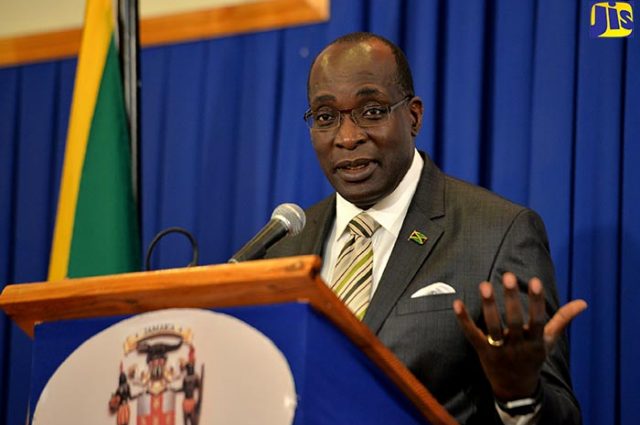
Minister of Education, Youth and Information, Senator the Hon. Ruel Reid, addresses today’s (September 14), post-Cabinet press briefing, held at the Office of the Prime Minister, in St. Andrew. (Photo: Yhomo Hutchinson)

Cabinet has approved several multimillion-dollar contracts for expansion of the Business Process Outsourcing (BPO) sector, and for infrastructural work across the island.

They include a US$5-million contract to China Harbour Engineering Company (CHEC), for foundation works for some 63,000 square feet of BPO space in the Montego Bay Free Zone, St. James.
Minister of Education, Youth and Information, Senator the Hon. Ruel Reid, provided details of the contracts at today’s (September 14), post-Cabinet press briefing, at the Office of the Prime Minister.
Senator Reid pointed out that upgrading work will be done to Building 1 of the Montego Bay Cruise Ship Terminal at a cost of $72 million and will include the supply and installation of an air-conditioning system. Award of the contract was made to Geddes Refrigeration Limited.
The Minister said that the Agualta Vale to Broadgate Road in St. Mary will be rehabilitated at a cost of $597 million and that the contract has been awarded to Surrey Paving Limited.
He also announced that Cabinet has approved the adoption of a Road Map and Action Plan for Information and Communication Technology (ICT) transformation of the Government.
The plan includes vision of ICT governance, operational structure and framework, ICT implementation and transformation, and definition, as well as oversight of ICT and staffing.
The Minister explained that this transformation will ensure Jamaica’s prime positioning for transition to a digital society.
“Key initial activities will be focused on improving service delivery by the establishment of portals and also digitising of documents,” he added.

Ministry of Health and Belize Emergency Response Team Agree to a Temporary Resolution

Belize Press Office

The Ministry of Health and the Board of Directors for Belize Emergency Response Team (BERT) have agreed to a temporary resolution.

Negotiations will continue with all involved to come to a permanent conclusion in the way forward to sustain the management and essential services provided by BERT.
A formal letter of agreement was issued today by the Ministry of Health which stipulates the Government of Belize commitment to a grant of $45,000 per month.  The grant will be for a maximum period of six months while negotiations continue over the long term financial sustainability of BERT land services.
The Ministry of Health on behalf of the Government of Belize and BERT are committed to ensure quality emergency services continue to serve the people of Belize.

CARICOM Promotes Public Awareness of Free Movement

CSME

The CARICOM Secretariat is pressing ahead with its public education programme regarding the CARICOM Single Market and Economy (CSME).

It will be hosting a series of three (3) public sensitisation sessions on the facilitation of travel within the CSME. The first of these will be held in Dominica on Friday, September 9 and a wide cross-section of the public is expected to attend. These sessions are being facilitated by resource persons from the Secretariat and implemented with assistance provided under the 10th European Development Fund (EDF). The other two (2) sessions will be held later in Guyana and Jamaica.
The public sensitization exercise will cover the provisions for free movement and travel under the CSME regimes such as those for CARICOM Skilled Nationals and the Right of Establishment, for example. The aim is to inform CARICOM citizens of their rights and responsibilities as they move within the CSME for reasons related to employment, leisure or business. Members of the public will also be apprised of the CARICOM Complaints Procedure if they feel that they were hindered from accessing their rights under any of the regimes. At the end of these sessions, participants should be better informed about the provisions for free movement and how to make use of them as CARICOM nationals.
The session will be held at the Goodwill Christian Union Church and officials from Dominica’s Ministry of Foreign Affairs and Trade will be in attendance. This public awareness activity is part of a larger public education strategy to promote the CSME as an important platform for achieving the goal of regional integration and an improved quality of life for all citizens of the Caribbean Community.

Affirmative resolution for the Belize Integrated Coastal Zone Management Plan

CZMAI

The Coastal Zone Management Authority & Institute (CZMAI) of the Ministry of Agriculture, Fisheries, Forestry, the Environment and Sustainable Development is pleased to announce that the National Integrated Coastal Zone Management Plan (“the Plan”) has received affirmative resolution in the House of Representatives and the Senate as of yesterday, August 31st 2016. This resolution meets the legal requirements for effectuation of the Plan as outlined in Section 23 (6) of the Coastal Zone Management Act, Chapter 329, Laws of Belize, Revised Edition 2003.
Approval of the Plan by Affirmative Resolution is an extraordinary step forward for sustainable coastal resource use and management in Belize and solidifies the government’s commitment to fulfilling the national agenda for growth and sustainable development. It is the culmination of an extensive four-year participatory process with all affected governmental agencies, and other relevant stakeholders representing multiple sectors, as well as the private sector and civil society interests. Through a legally required 60-day public inspection period, the Plan was widely circulated for review and comment by stakeholders to ensure its credibility, precision and social acceptability. It is closely aligned with existing legislative planning frameworks and sectoral policies for the coastal zone, and integrates new management interventions. As a result, the Government of Belize has officially authorized its use thereof by government and non-governmental agencies, as the overall guiding strategy to better manage conflicting interests and to make defensible, enduring decisions in managing Belize’s marine resources.
The Plan is a first of its kind for Central America and the wider Caribbean region. It blends conservation goals with current and future needs for coastal development and marine uses that relate to Belize’s key economic sectors. The science-based Informed Management spatial zoning scheme and policy actions will ensure that the economic returns from key coastal resources are maximized while minimizing environmental impact and, where possible, enhance ecological health. Therefore, the implementation of the Plan will ensure the sustainability of our coastal resources for the benefit of current and future generations of Belizeans.

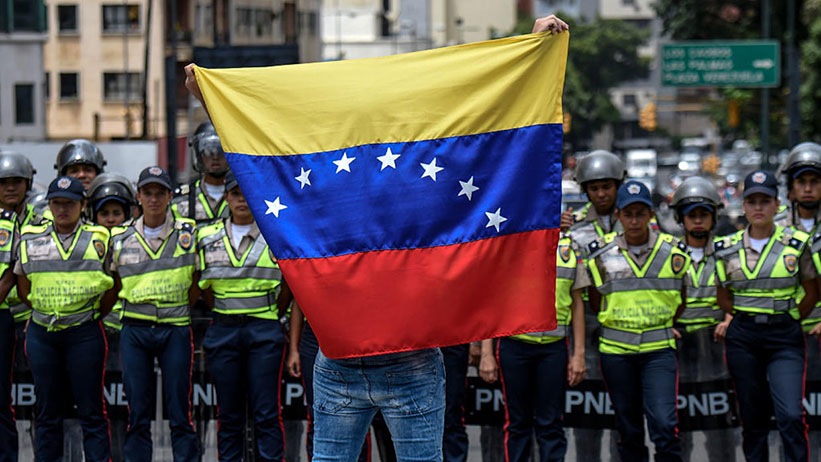
Venezuela: Message from the Office of the Secretary General of the OAS

Venezuela Demonstrations

Venezuela: Message from the Office of the Secretary General of the OAS in connection with the demonstrations of September 1

Just a few hours away from the demonstrations expected on September 1, the Office of the Secretary General of the Organization of American States issues a reminder that what matters above all is peace and the rights of people. Every one of us, institutionally or in our own walk of life, must strive for mutual understanding and uphold tolerance of the ideas of others. The practice of politics must be forged from principles and values that create an ethical framework of peaceful coexistence, solidarity, and harmony.
In this context, it is up to the Government, those holding government office, and the State security forces to guarantee the right to life, safety, and integrity for all inhabitants, mindful that they are personally and institutionally accountable, internally and internationally, before the appropriate political and legal bodies, for the consequences of their deeds or omissions.
Offers by the General Secretariat to observe the march on September 1
On August 12, 2016, the Secretary General of the Organization, Luis Almagro, received a request from the Chair of the Foreign Relations Committee of the National Assembly of Venezuela, Deputy Luis Florido, and political leader Carlos Vecchio that the OAS General Secretariat proceed to observe the marches and demonstrations expected for September 1, 2016. That request, which was later backed by leaders and members of civil society, was received by Secretary General Almagro in a spirit of complete readiness to cooperate.
That being so, the Office of the Secretary General contacted the permanent mission of Venezuela to the OAS with a view to activating the mechanisms needed for the OAS to observe and be there at the march.
Thus Note OSG 425 was dispatched to the aforementioned diplomatic mission on August 12, 2016 and similar moves were repeated on August 22 (Note OSG 438).
In those Notes, the General Secretariat of the OAS stated:
• Its readiness to provide institutional assistance in the form of international observation of the aforementioned demonstrations, with a view to offering the Venezuelan Government, opposition, and citizens with the greatest possible guarantees of impartiality in connection with the free expression of the will of the people and to help ensure peaceful proceedings within a framework of harmonious coexistence.
• That said intention falls within the spheres of competence of the Secretary General established in the OAS Charter, the Inter-American Democratic Charter, and other legal instruments with respect to the promotion and protection of human rights.
• Willingness to jointly explore ways for the General Secretariat and/or other OAS bodies to monitor the demonstrations that had been convened in order to provide a mechanism for assistance and joint observation that would be effective and offer the necessary safeguards.
• The need to work together with the support of the inter-American and international community to guarantee citizens’ rights to air their views.
• That the lamentable events of 2014, during street demonstrations, when excessive violence was unleashed, with arbitrary arrests, and the irreparable loss of 43 human lives and hundreds of people wounded, remind us of the constant need to do everything possible to preserve peace and harmonious coexistence among citizens, which are prerequisites for guaranteeing rights, ensuring that past horrors are not repeated, and establishing accountability mechanisms.
• That the General Secretariat of the Organization of American States possesses tried and tested, effective, impartial, and professional mechanisms for providing appropriate observation and monitoring safeguards.
• That the legal obligations derived from the OAS Charter, the Inter-American Democratic Charter, and other instruments relating to the promotion and protection of human rights require the authorities of the Bolivarian Republic of Venezuela to fully observe and comply with those instruments.
• That those same legal instruments constitute for the Secretary General of the OAS a legal, ethical, political and functional obligation to strive to ensure compliance with them and to denounce systematic violations.
• That the context characterized by the erosion and deterioration of institutions, the militarization of civilian activities, humanitarian crisis, and the existence of political prisoners makes it all the more necessary for all parties to be able to rely on actors who can help provide the necessary guarantees for peaceful coexistence among citizens.
Despite the reasons and arguments submitted, the Government of Venezuela has rejected the offer of the General Secretariat of the OAS to work to ensure the best possible safeguards for the scheduled marches and demonstrations.
The fact that it has rejected a proposal that offered safeguards for people to be able to exercise their rights clearly demonstrates a refusal to ensure conditions conducive to peace and tranquility for the people in connection with the September 1 demonstrations. The General Secretariat of the OAS holds the Government of Venezuela responsible for safeguarding the people’s right to demonstrate peacefully, its right to assemble, and its right to freedom of expression without being subjected to any form of violence or intimidation. The General Secretariat will consider any abuse of authority completely unacceptable. The General Secretariat holds the Government of Venezuela responsible for any victim: a lamentable outcome it hopes will not occur.
Attempts to intimidate the opposition
The General Secretariat voices its concern over developments in recent days prior to the convocation by Venezuela’s democratic opposition of the September 1 march. Complaints have been received of increased repression and human rights violations. An attempt is being made to criminalize protest. There are threats of outlawing political parties and criminalizing the actions of elected members of the National Assembly and of civil society activists: steps that raise serious doubts as to whether the Venezuelan Government is interested in serious and constructive dialogue to overcome the crisis it has plunged Venezuela into.
The General Secretariat reiterates its concern at the increasing deterioration of institutions in Venezuela and, in this context, calls for the scheduled demonstrations and marches, convened pursuant to the legitimate right of the people to assemble and express its will, to be conducted peacefully and in an atmosphere conducive to peaceful coexistence.
What is needed is an immediate stop to the arbitrary and brazen measures deliberately designed to intimidate opposition leaders and the general public just a few hours for the march.
These measures have included:
• The imprisonment of the former mayor of San Cristóbal, Daniel Ceballos, ordered without any regard for civil rights or objective criteria. That is an extraordinary abuse of power, clearly designed to sow fear not only in Mr. Ceballos’ family and those close to him, but in the general public as well.
On Monday, youth leader and activist Yon Goicoechea was arrested by hooded police officers, when he was out on the street in Caracas. Only late at night did a government party deputy disclose his whereabouts: the SEBIN prison.
• The arrest warrant against Mayor Warner Jiménez has all the appearance of similar arbitrariness and tyranny.
• The arbitrary police raids in the homes of Deputy Lester Toledo – who possesses immunity- and
• Mayor Delson Guarate, with total disregard for due process, demonstrate the viciousness with which opposition leaders are treated.
• The media are constantly being intimidated and today the head office of the “El Nacional” newspaper was attacked by violent groups that support the Venezuelan Government. International journalists now arriving in Caracas to cover the September 1 march are being kept at the airport and even awaiting deportation, as in the case of the Al Jazeera reporters, as a way of preventing coverage freely reaching the international press.
• Today’s harassment of the Voluntad Popular headquarters is another part of the intimidation operation under way.
• The arrest of Carlos Melo constitutes a further exacerbation of the abuses and denial of rights amounting to provocations that make it even harder to achieve reconciliation among citizens shortly before the demonstrations expected on September 1.
• The arbitrary imprisonment in the Tocuyito prison of two young men (Francisco Márquez and Gabriel San Miguel), without showing an arrest warrant or having informed either their lawyers or family members. They remain in prison, with no charges brought against them.
The imprisonment in the early hours of this morning (in the 26 de Julio de Guárico high security prison) of Raúl Baduel and Alexander Tirado, likewise without notifying either defense counsel or next of kin.
•The detention today of Deputy María Hernández is yet another example of arbitrary abuse.
• Along the same lines, violating the constitutional rights that guarantee all Venezuelans the right to make their own judgments and express their opinions, the Venezuelan Government has ordered the dismissal en masse of more than 4,000 civil servants who voted for the recall referendum.
• Venezuelans already marching on the capital to take part in the demonstrations report road blocks put there by the national government to stop them from getting through or to send them in another direction, as happened with the indigenous march walking thousands of kilometers from the State of Amazonas to participate in the demonstrations.
• Today, too, there was an attempt to set fire to the headquarters of the Acción Democrática party in San Carlos.
Throughout history, attempts to intimidate the population ahead of expressions of the people’s will have always characterized the most notorious authoritarian regimes.
Such moves help create an atmosphere of confrontation and tension and exacerbate the risk of excesses in response to the arbitrariness and brazen impunity.
All the acts listed above are part and parcel of a systemic plan relying on State repression. They constitute a total violation of the fundamental rights of the Venezuelan people. They also run completely counter to democratic principles and values and establish the Government of Venezuela as a dictatorship that systematically violates the human rights of its people.
A Call to the Government of Venezuela to respect Human Rights and grant maximum guarantees
In particular, we call upon the Government of the Bolivarian Republic of Venezuela to allow the demonstrations by the people within a framework of ample freedom and civic guarantees and to avoid any measures that may incite violence and create the conditions for confrontation, such as the scheduling of pro-Government marches and demonstrations on the same day.
In the same vein, we call upon the electoral authorities to safeguard the constitutional rights of Venezuelan citizens and to provide certainty that the recall referendum will be held in 2016.
It is incumbent upon the National Electoral Council (CNE) to be a bastion of impartiality and upholder of guarantees, not a tool of political power, twisting duly stipulated deadlines or percentages of signatures collected.
Failure to comply with these obligations on the part of the CNE exacerbates the deterioration of conditions for peaceful coexistence and stokes political and social polarization.
Moreover, the proven existence of political prisoners not only violates the human rights of Venezuelans; it prevents the establishment of a democratic system and further erodes the bases for much-needed peaceful coexistence among citizens. We reiterate the call for their immediate release, a measure that will undoubtedly help restore democratic standards in the country.
The OAS General Secretariat also draws attention to the manipulations that have prevented Secretary General Almagro from meeting with the Committee of Victims of Guarimba (first requested by the General Secretariat on October 21, 2015) and it reiterates the need for light to be shed on what happened and for justice to be done. Using underhand tactics to thwart the victims’ access to a dialogue with the OAS General Secretariat runs counter to the need for clarification and for much-needed guarantees of accountability and measures to ensure that it does not happen again. It also does nothing to build civic peace.
There is an urgent need for genuine dialogue in the quest for solutions. Establishing deadlines, goals and mediators accepted by all parties is a prerequisite for the restoration of democracy in Venezuela.
Finally, the General Secretariat reiterates its call for peace, harmony, and reconciliation among Venezuelans, rooted in respect for the rights of all and for the tolerance that is vital for September 1.

Audio Theme